


Green Fuels Transforming the Future of Clean Energy

Clean energy is often pictured as wind turbines, solar panels and batteries. That picture is right, but incomplete. Many parts of the economy still need fuels that are easy to store, move and burn when needed. Long-distance ships, aircraft, heavy industry and backup power cannot all switch to direct electricity overnight.
That is where green fuels matter. They offer a way to cut emissions in places where plugging into the grid is hard, costly or technically limited. The challenge is to make them clean in practice, not just green in name.
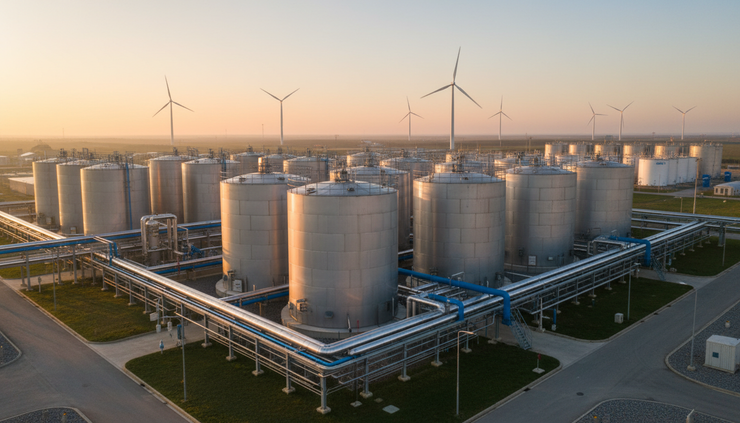
What green fuels are and why they matter
Green fuels are fuels made with low-carbon inputs and cleaner production methods. They can be liquid, gas or solid. Some come from plants, food waste or forestry residues. Others are made using renewable electricity, water and captured carbon.
The main goal is simple: replace fossil fuels in sectors that still depend on high-energy fuels.
Common examples include:
Bioethanol and biodiesel Made from crops, waste oils or residues, often blended into petrol or diesel.
Biogas and biomethane Produced from organic waste such as manure, sewage sludge and food waste.
Green hydrogen Made by splitting water with renewable electricity.
Synthetic fuels Produced by combining green hydrogen with captured carbon.
Green ammonia and methanol Possible low-carbon options for shipping, fertiliser production and industrial use.
These fuels are not all equal. A fuel only cuts emissions if its full supply chain is managed well. That includes how the raw material is sourced, how much energy production needs, how far it travels and what happens when it is used.
Green hydrogen is becoming a key building block
Green hydrogen gets a lot of attention because it can do several jobs at once. It can be used as a fuel, a raw material for industry and a way to store energy from wind and solar.
Unlike grey hydrogen, which is commonly made from natural gas, green hydrogen is produced through electrolysis powered by renewable electricity. The process creates hydrogen and oxygen from water. When the hydrogen is later used, it does not release carbon dioxide at the point of use.
That makes it useful for processes where carbon emissions are hard to avoid, such as:
Steelmaking
Chemical production
Heavy transport
Seasonal energy storage
High-temperature industrial heat
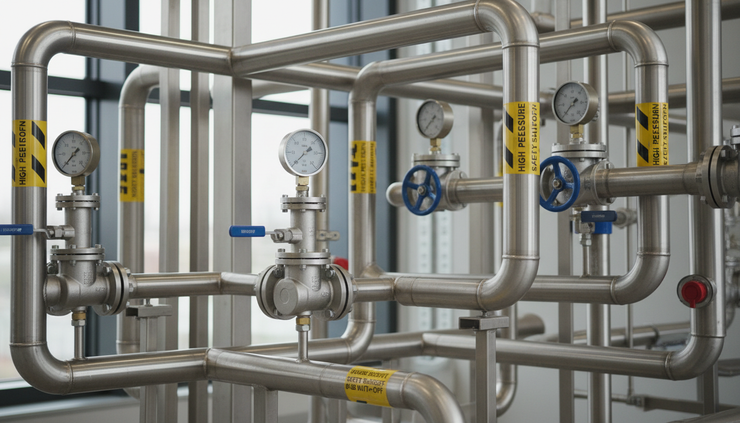
The limits are just as important. Green hydrogen needs a lot of clean electricity. It also requires new storage, pipelines, safety systems and equipment. Using it in cars or home heating may be less efficient than direct electrification in many cases.
The best role for hydrogen is where batteries or direct electric systems struggle. That focus helps avoid wasting clean power on uses that already have simpler solutions.
Biofuels can help, but only when sourced carefully
Biofuels are among the oldest green fuel options. Many countries already use blends of bioethanol in petrol and biodiesel in diesel. They can use existing engines and fuel networks, which makes them easier to introduce than some newer fuels.
The strongest case for biofuels comes from waste and residue feedstocks. Used cooking oil, agricultural waste and organic by-products can become useful energy instead of being discarded. Biogas from farms, landfill sites and wastewater treatment can also reduce methane emissions when captured and used properly.
The weaker case comes from fuels that compete with food production, damage habitats or drive land-use change. If forests or peatlands are cleared to grow fuel crops, the climate benefit can shrink or disappear.
Good biofuel policy tends to favour:
Waste-based feedstocks
Strong land protection rules
Clear carbon accounting
Local supply chains where possible
Uses that are hard to electrify
This is why the phrase “green fuel” needs scrutiny. A fuel’s label matters less than its real-world impact.
Synthetic fuels could serve planes and ships
Aviation and shipping face a difficult problem. Batteries are improving, but long-distance aircraft and ocean-going vessels need huge amounts of energy without adding too much weight. Liquid fuels are still hard to beat for energy density.
Synthetic fuels, sometimes called e-fuels, could help. They are made by combining green hydrogen with carbon captured from the air or from industrial sources. The resulting fuel can be designed to work in existing engines or supply chains, at least in some cases.
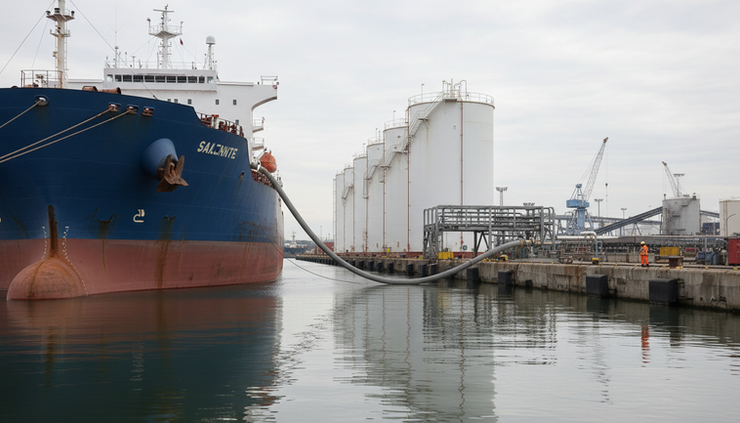
For aviation, sustainable aviation fuel can reduce reliance on fossil jet fuel. For shipping, green methanol and ammonia are being explored as alternatives to heavy fuel oil. Each option brings trade-offs. Ammonia contains no carbon, but it is toxic and needs careful handling. Methanol is easier to store, but its climate value depends on how it is made.
The biggest barrier is scale. Producing synthetic fuels takes large amounts of clean electricity, water, equipment and investment. For that reason, they are likely to be reserved for sectors with few good alternatives rather than used everywhere.
The future depends on smart choices, not one perfect fuel
No single green fuel will replace oil, gas and coal across the whole economy. The future will be a mix. Electricity will do much of the work because it is often the most efficient route. Green fuels will fill the gaps where electricity alone falls short.
That mix could look like this:
Direct electricity
Green hydrogen
Biofuels
Synthetic fuels
Best for homes, light vehicles, many factories and short-distance transport
Best for industrial heat, chemicals, steel and energy storage
Best when made from waste and used in existing systems
Best for aviation, shipping and selected heavy-duty uses
The cleanest path is not always the most dramatic one. Sometimes it means using less fuel in the first place through better design, public transport, efficiency and smarter logistics. Green fuels should support those changes, not excuse waste.
Policy will play a major role. Clear standards can separate genuinely low-carbon fuels from weak claims. Public investment can support early infrastructure. Long-term rules can give producers and users the confidence to build new supply chains.

A cleaner energy system will need green fuels in the right places
Green fuels are not a shortcut to a clean economy. They are a tool, and like any tool, they work best when used for the right job.
The strongest future for them is practical and targeted. Use electricity where it works well. Use green fuels where energy must be stored, transported or burned at high intensity. Measure emissions across the full lifecycle. Protect land, water and food systems. Build supply chains that are clean from start to finish.
If those conditions are met, green fuels can help transform clean energy from a power-sector success story into a full-economy solution. They will not do the job alone, but they could make the hardest parts of decarbonisation possible.