


Green Fuels The Future of Clean Energy

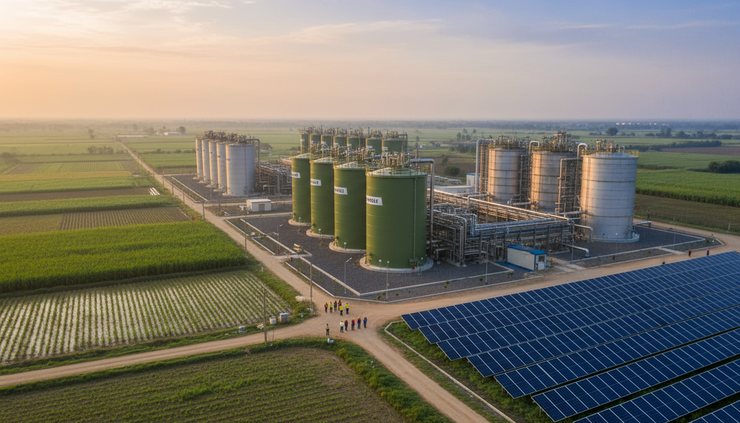
Clean energy cannot stop at solar panels and wind turbines. Electricity is vital, but many parts of the economy still need dense, portable fuels that can burn, flow through pipelines, power heavy engines, or run industrial heat. That is where green fuels enter the picture.
Green fuels are low-carbon fuels made from renewable resources, waste, or clean electricity. They include bioethanol, biodiesel, compressed biogas, green hydrogen, green ammonia, sustainable aviation fuel, and synthetic fuels made with captured carbon and renewable power.
They matter because not every machine can switch to a battery quickly. Long-haul trucks, ships, aircraft, fertiliser plants, steel units, brick kilns, and backup power systems often need fuel with high energy density. For a country like India, where energy demand is still growing, green fuels can help cut imports, reduce pollution, and create rural income when done well.
Why green fuels are gaining ground
The clean energy shift has two major jobs. The first is to make electricity cleaner. The second is to clean up the fuels we still use every day. The first job is already moving fast through solar, wind, hydro, and battery storage. The second is harder, but just as important.
Petrol, diesel, furnace oil, natural gas, aviation turbine fuel, and coal-based industrial heat still sit at the centre of transport and manufacturing. Replacing all of them with direct electricity will take time. Some uses may never become fully battery-based because of weight, range, temperature, or cost limits.
Green fuels help close that gap.
They can work in three useful ways:
Blending with existing fuels
Ethanol in petrol and biodiesel in diesel can cut fossil fuel use without replacing every vehicle at once.
Using existing engines or networks with changes
Biomethane can replace part of natural gas demand. Green hydrogen can support refineries, fertiliser plants, and some industrial processes.
Serving sectors that batteries struggle to reach
Shipping, aviation, heavy road transport, cement, steel, and high-temperature heat need more than one clean energy option.
This does not mean every green fuel is clean by default. A fuel is only as green as its feedstock, production process, land use, water use, and supply chain. Ethanol made from waste or surplus crops is very different from fuel that drives deforestation. Hydrogen made with renewable electricity is different from hydrogen made using fossil gas.
The future belongs to fuels that cut emissions in real life, not just on paper.
The main types of green fuels
Green fuels cover a wide range. Some are already in use. Others are still costly and need better infrastructure. The table below gives a simple view.
Green fuel | What it is made from | Where it fits best |
Bioethanol | Sugarcane, maize, damaged grain, agricultural residues | Petrol blending, flexible-fuel vehicles |
Biodiesel | Used cooking oil, non-edible oils, animal fats | Diesel blending, farm machinery, buses, trucks |
Compressed biogas | Organic waste, cattle dung, crop residue, food waste | City gas, transport fuel, industrial heating |
Green hydrogen | Water split using renewable electricity | Fertiliser, refining, steel, heavy transport |
Green ammonia | Green hydrogen combined with nitrogen | Shipping fuel, fertiliser, hydrogen carrier |
Sustainable aviation fuel | Waste oils, biomass, residues, synthetic routes | Aviation, especially long-distance flights |
Synthetic e-fuels | Green hydrogen and captured carbon | Aviation, shipping, niche high-performance uses |
Biofuels are the practical starting point
Biofuels are the most familiar green fuels because they can often be blended with existing petrol or diesel. India already has experience with ethanol blending, and the supply chain around sugar mills, distilleries, oil marketing companies, and vehicle makers is growing.
The strength of biofuels is their near-term usefulness. They do not require a complete rebuild of the transport system. They also create demand for agricultural by-products, damaged grains, and used cooking oil.
The risk is poor feedstock choice. If fuel crops compete with food crops, strain groundwater, or push farmers towards one-crop dependence, the climate benefit weakens. The better path is to use residues, waste streams, non-edible oils, and crop systems that fit local ecology.
Biogas turns waste into value
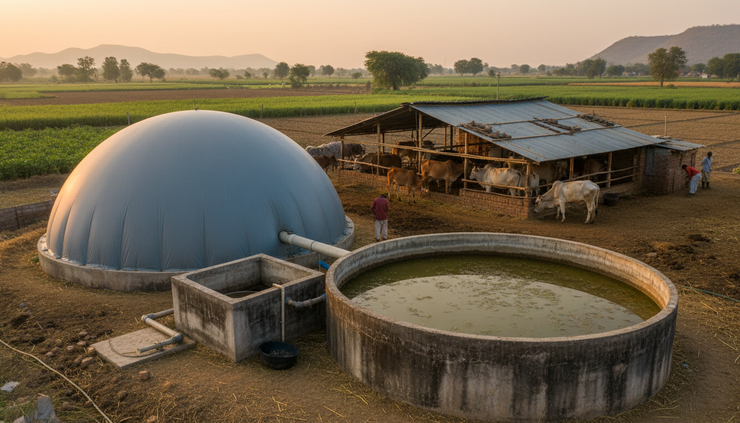
Compressed biogas, often called CBG in India, is one of the most promising fuels for a circular economy. It can be made from cattle dung, press mud from sugar mills, municipal wet waste, crop residue, and food processing waste.
This solves two problems at once. It produces cleaner fuel and reduces unmanaged organic waste. The leftover digestate can also return nutrients to farms when processed safely.
CBG can support buses, tractors, small industries, kitchens, and parts of the city gas network. It is especially useful in rural and semi-urban areas where feedstock is nearby.
Green hydrogen is built for hard-to-clean sectors
Green hydrogen is made by splitting water using renewable electricity. It does not release carbon dioxide when used, but producing it takes clean power, water, equipment, and careful handling.
Hydrogen is not the answer to every energy problem. It is not ideal where direct electricity can do the job more efficiently. For example, electric two-wheelers, metro systems, and many cars can use batteries directly.
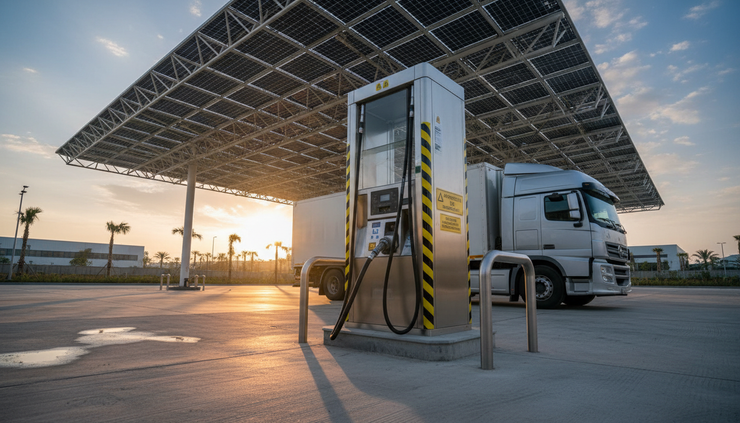
Hydrogen makes more sense where molecules are needed, not just electrons. Refineries already use hydrogen. Fertiliser production depends on hydrogen-rich inputs. Steelmaking can use hydrogen as a reducing agent in cleaner production routes. Heavy trucks, mining vehicles, and long-distance buses may also use hydrogen fuel cells in some cases.
The challenge is cost. Electrolysers, storage tanks, pipelines, compressors, and safety systems need investment. Green hydrogen also needs cheap renewable electricity for long hours. Without that, it remains expensive.
Sustainable aviation fuel is essential for flight
Aircraft need energy-dense liquid fuel. Batteries are improving, but they are still too heavy for most commercial long-distance aviation. That makes sustainable aviation fuel, or SAF, a serious option.
SAF can be made from used cooking oil, agricultural residue, forest residue, municipal waste, or synthetic processes that combine green hydrogen with captured carbon. It can often be blended with conventional jet fuel under approved standards.
The main barrier is price and supply. Aviation fuel demand is large, while sustainable feedstock is limited. India has a strong reason to watch this space, given the rapid growth of air travel and the availability of agricultural residues in many states.
India’s green fuel opportunity
India has a strong case for green fuels because its energy needs, agricultural base, and waste streams are all large. The country imports a major share of its crude oil and natural gas. Cutting even part of that import demand can improve energy security.
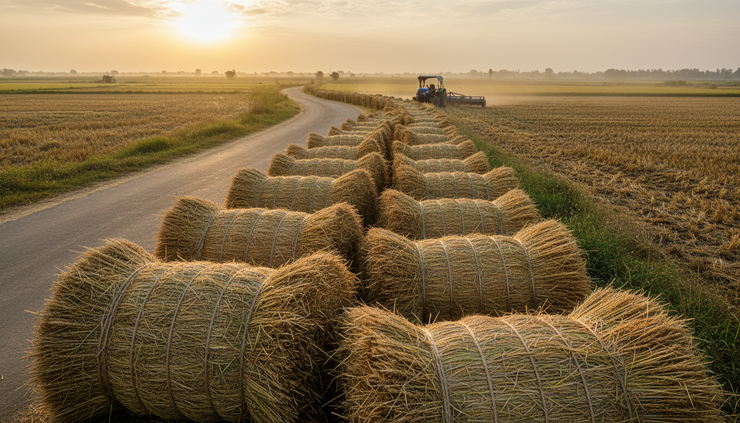
At the same time, India produces huge amounts of biomass, crop residue, animal waste, food waste, and used cooking oil. Much of it is underused or poorly managed. Green fuel projects can turn these materials into energy if collection, pricing, and quality control are handled well.
The opportunity is not only technical. It is also social and economic.
Green fuel supply chains can create local jobs in:
collecting and sorting biomass
running small biogas plants
transporting feedstock
maintaining equipment
testing fuel quality
managing by-products such as digestate
For farmers, fuel production can open new income channels from residues that might otherwise be burnt or left to decay. For cities, organic waste can become a resource instead of a landfill burden. For industries, green fuels can reduce exposure to volatile fossil fuel prices over time.
Still, scale has to be built carefully. A nationwide strategy needs local planning. Punjab’s crop residue problem is different from Maharashtra’s sugarcane belt, Gujarat’s industrial demand, Tamil Nadu’s wind-rich grid, or the North East’s biomass profile. The best fuel choice changes by region.
A good green fuel project usually starts with three questions:
Is the feedstock available year-round at a fair cost?
Can the fuel reach buyers without expensive transport?
Does the full supply chain actually cut emissions and pollution?
If the answer to any one of these is weak, the project may struggle.
The hard questions green fuels must answer
Green fuels sound attractive, but they are not free from trade-offs. The clean energy transition will move faster if these issues are addressed openly.
Land and water use must stay responsible
Fuel should not come at the cost of food security, forests, wetlands, or groundwater. This is why waste-based fuels and residues matter. They reduce pressure on land and make better use of materials that already exist.
Sugarcane-based ethanol, for instance, can support fuel blending, but water use in dry regions must be managed. A smarter biofuel system uses a mix of feedstocks instead of depending too heavily on one crop.
Fuel quality must be consistent
Engines, turbines, gas networks, and industrial burners need reliable fuel. Poor-quality biodiesel, unprocessed biogas, or contaminated feedstock can damage equipment and reduce trust.
This makes standards essential. Testing, certification, and traceability may sound dull, but they decide whether green fuel markets grow or stall.
Infrastructure needs time and money
A fuel is useful only when it can be stored, moved, and used safely. Hydrogen needs special tanks and pipelines. CBG needs purification and compression. SAF needs certified blending and airport supply systems. Biofuel blending needs depots, storage, and transport links.
India has experience building large energy networks, but green fuel infrastructure will still need clear policy, patient capital, and skilled workers.
Not all green fuels should compete for the same feedstock
Used cooking oil can become biodiesel or aviation fuel. Crop residue can become ethanol, biogas, pellets, or biochar. Green hydrogen can become ammonia, methanol, steel input, or transport fuel.
This creates competition. The best use should depend on climate benefit, local demand, cost, and the lack of better alternatives. For example, using green hydrogen for fertiliser may deliver more value than using it where a battery would work well.
What the next phase should look like
The next phase of green fuels should be practical, measured, and local. It should avoid the trap of treating one fuel as the answer to everything.
A strong approach would include:
Waste-first feedstocks
Prioritise used cooking oil, municipal wet waste, crop residue, cattle dung, press mud, and other by-products before dedicated fuel crops.
Clear emission accounting
Count emissions from collection, transport, processing, land use, and end use. A green label should mean real climate benefit.
Regional fuel mapping
Match each region’s feedstock with nearby demand. This can reduce transport costs and support smaller projects.
Support for small producers
Farmers, dairy clusters, panchayats, cooperatives, and local entrepreneurs need access to finance, training, and quality testing.
Use fuels where they matter most
Save high-value fuels such as green hydrogen and SAF for sectors that cannot easily electrify.
Better public procurement
City buses, municipal fleets, rail yards, and public institutions can create early demand for reliable green fuels.
The cleanest energy system will not be built from one technology. It will combine renewable electricity, batteries, green fuels, public transport, efficient buildings, cleaner industry, and smarter farming.
Green fuels are part of that mix because they solve problems that electricity alone cannot solve quickly.
The takeaway for clean energy
Green fuels are not a shortcut. They are a bridge and, in some sectors, a destination. They can cut fossil fuel use, turn waste into value, strengthen rural economies, and support industries that cannot run only on batteries.
The best green fuel strategy is selective. Use biofuels where blending works. Use biogas where organic waste is abundant. Use green hydrogen where industry truly needs it. Use sustainable aviation fuel where liquid fuel remains hard to replace.
Clean energy will be stronger when it is not limited to one path. Solar panels and wind turbines can clean the grid. Green fuels can clean the parts of the economy that still need molecules. Together, they can build a future that is cleaner, more secure, and better suited to India’s energy needs.