


Green Energy Solutions for a Sustainable Future

Energy choices are no longer just about keeping the lights on. They affect household bills, air quality, energy security, and the kind of world that future generations inherit. The shift to cleaner power is already under way, but it works best when big infrastructure and everyday decisions move in the same direction.
Green energy solutions cover more than wind farms and solar panels. They include better homes, cleaner transport, smarter grids, and the habit of using less energy in the first place. A sustainable future will depend on all of these working together.

Clean electricity is the foundation
Electricity sits at the centre of most green energy plans because it can be generated from renewable sources and used in many parts of daily life. Solar, wind, hydro, tidal, and geothermal power all produce energy without burning fossil fuels at the point of generation.
Wind power has become a major part of clean electricity in many coastal and open areas. Solar panels work well on homes, schools, farms, warehouses, and unused land. Hydropower can be useful where geography allows it, while tidal power has long-term promise for island and coastal nations.
The key challenge is that renewable generation changes with the weather and time of day. The sun does not shine at night. Wind speeds rise and fall. That means the grid needs to become more flexible.
A cleaner electricity system needs:
Energy storage
Batteries, pumped hydro, and other storage methods help save power for later use.
Better grid connections
Stronger networks move renewable power from where it is produced to where it is needed.
Flexible demand
Appliances, heating systems, and electric vehicle charging can shift to times when clean power is plentiful.
Clean electricity gives other sectors a path away from fossil fuels. When homes, cars, and industry use low-carbon electricity instead of oil or gas, emissions can fall across the whole economy.

Homes can use less energy and produce more
The greenest unit of energy is often the one that does not need to be produced. Homes waste energy through poor insulation, draughts, outdated heating, and inefficient appliances. Cutting that waste can reduce bills and make renewable energy go further.
For many households, the most practical starting point is the building itself. Loft insulation, cavity wall insulation where suitable, draught proofing, double or triple glazing, and smart heating controls can all reduce demand. These measures may not look as exciting as solar panels, but they often make a home warmer and cheaper to run.
Low-carbon heating is another major step. Heat pumps use electricity to move heat rather than create it by burning fuel. They can work well in properly insulated homes and are becoming a central part of clean heating policy in many countries. Solar thermal systems can also support hot water needs in the right setting.
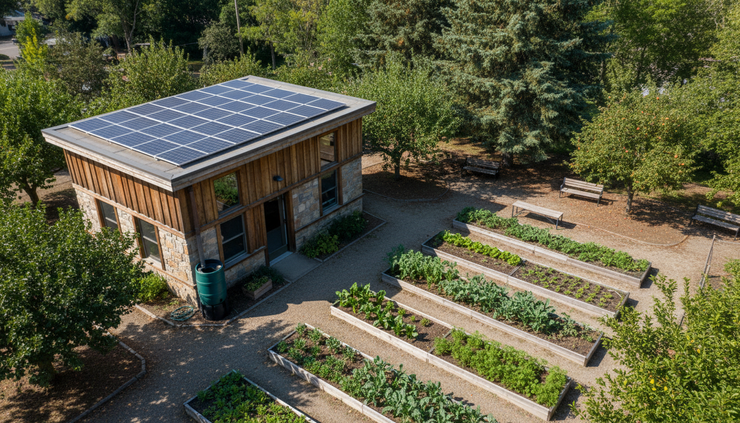
Rooftop solar can turn a building into a small power station. When paired with a home battery, it can store daytime generation for evening use. This does not make every home fully self-sufficient, but it can cut grid demand and improve resilience during peak times.
A practical order of action often looks like this:
Reduce heat loss
Improve insulation and seal obvious draughts.
Use efficient appliances
Replace wasteful devices when they reach the end of their life.
Improve heating controls
Heat only the spaces and times that need it.
Add renewable generation
Consider solar panels, batteries, or low-carbon heating where the property suits them.
This order helps avoid a common mistake: installing new technology before fixing basic energy waste.
Transport needs cleaner power and better choices
Transport is one of the hardest areas to clean up because it involves habits, infrastructure, and long-lived vehicles. Electric cars, vans, buses, trains, and bikes all have a role, but cleaner transport is not only about swapping engines.
Electric vehicles can cut tailpipe pollution and run on cleaner electricity as the grid improves. For people who drive often, home or workplace charging can make EVs easier to use. Public charging must also expand in a reliable and accessible way, especially for people without driveways.
Public transport, walking, and cycling matter just as much. A journey avoided or shared uses less energy than one made alone by car. Safe cycle routes, frequent buses, and well-connected trains help reduce pressure on roads and lower energy demand.
Freight will need a mix of answers. Electric vans suit many short routes. Rail freight can reduce lorry mileage. For heavier vehicles, batteries, hydrogen, and other low-carbon fuels may each suit different tasks.
Clean transport works best when it is designed around real life. People need options that are affordable, safe, and dependable, not just greener in theory.

Communities and businesses can speed up the shift
Large energy projects matter, but local action can make the transition faster and fairer. Community energy schemes let people share the benefits of local solar, wind, heat networks, or energy-saving projects. Schools, farms, sports clubs, and village halls can become visible examples of cleaner power.
Businesses can also reduce energy demand and support renewable supply. This might mean improving lighting, recovering waste heat, switching to electric fleets, installing solar panels, or buying clean electricity through credible contracts. The best plans start with measuring energy use, then cutting waste before adding new supply.
Local projects can bring benefits beyond carbon savings. They can keep more money in the area, improve public buildings, and give people a direct stake in the energy system. They also make clean energy feel less abstract. A solar roof on a community centre is easier to understand than a distant power target.
Here is how common options compare:
Solution | Best use | Main benefit |
Rooftop solar | Homes, schools, farms, warehouses | Produces clean power on site |
Heat pumps | Well-insulated buildings | Cuts reliance on fossil fuel heating |
Batteries | Homes, businesses, grid sites | Stores power for later use |
Smart controls | Buildings and appliances | Reduces waste and peak demand |
Public transport upgrades | Towns, cities, regional routes | Moves more people with less energy |
No single option solves everything. The strength comes from combining them in a way that fits the place, the budget, and the people who use the energy.
Policy and personal action both matter
A sustainable energy system needs clear policy. Governments set building standards, fund grid upgrades, support clean transport, and decide how energy markets work. Long-term rules give households and businesses the confidence to invest.
Personal choices still count. Choosing a green electricity tariff, improving insulation, using public transport where possible, reducing waste, and supporting local clean energy projects all help. These actions also build public demand for better national systems.
The shift will not happen overnight. Some homes are hard to insulate. Some industries need very high heat. Some places need better grid capacity before they can add more renewables. These are real challenges, but they are engineering, planning, and investment problems, not reasons to stand still.
The path to a cleaner future is built from many linked steps: generate clean power, waste less energy, electrify what can be electrified, improve transport, and make local projects part of daily life. The most useful starting point is simple. Look at where energy is being wasted, then choose the cleanest practical way to meet the need that remains.